



Message to journalists and website owners:
Images on this page can be republished on your sites without prior permission from BondagePal
How AI Is Replacing Professional Fetish Photography
Custom-directed imagery generated at near-zero cost
No studios, no photographers, no production crews — just hardware, software, and creativity.Independent publishers are increasingly replacing expensive fetish photography with AI-generated imagery at scale, transforming adult marketing, niche dating platforms, SEO publishing, and digital content production.
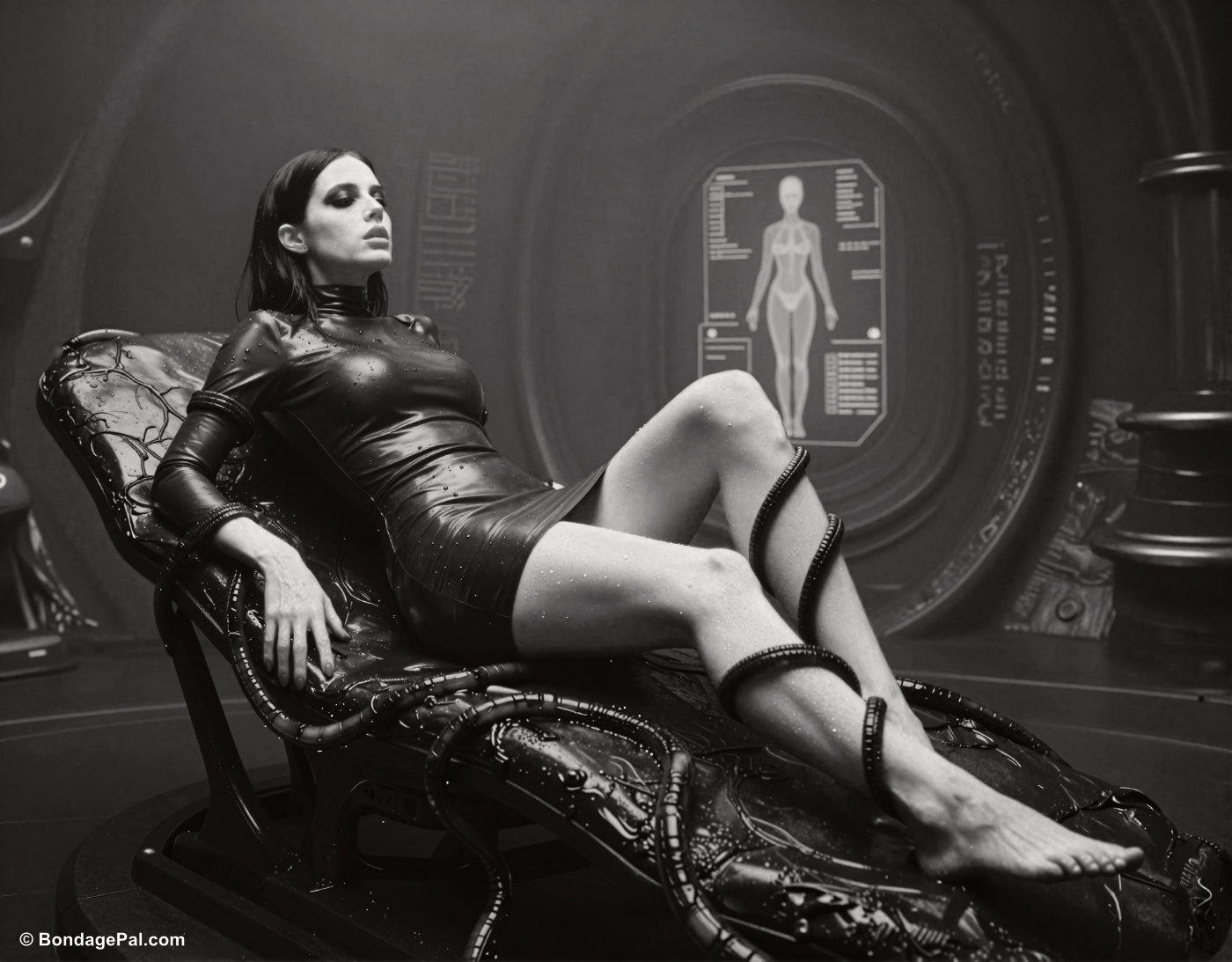
Creating a Sci-Fi Alien Tentacle Examination Scene with AI
This article explores how AI can be used to create highly specific sci-fi fetish artwork, using a step-by-step example and comparing the process with traditional photography. In this example, the goal is to generate a cinematic scene featuring a woman in latex aboard an alien spacecraft, surrounded by biomechanical tentacles during a futuristic examination sequence.In the past, the most affordable approach was often to search stock image websites using phrases like “woman in latex on alien spaceship with tentacles” and hope something close appeared. For highly niche concepts, however, the available results were usually limited, or inconsistent.
Before AI image generation became widely accessible, producing a scene like this required extensive planning and a large creative team. You would typically need a custom location or set design, a model, wardrobe styling, makeup and special effects artists, a professional photographer, lighting equipment, and often a photo retoucher or digital artist for post-production.
The estimated production costs for a traditional shoot are outlined in the table below:
| Role / Resource | Typical 1-Day Cost (USD) |
|---|---|
| Photographer | $1,000–$3,500 |
| Model | $600–$2,000 |
| Makeup + Hair Artist | $400–$1,200 |
| Wardrobe Stylist | $400–$1,000 |
| Studio / Location Rental | $300–$1,500 |
| Set Design / Props | $500–$3,000 |
| Retoucher / Photo Editing | $300–$1,500 |
| Lighting Assistant / Crew | $200–$800 |
| Wardrobe / Latex Clothing | $300–$2,000 |
| Catering / Logistics / Misc | $100–$500 |
| Total (Indie Production) | $3,000–$7,000 |
| Total (Professional Editorial) | $8,000–$20,000 |
| Total (High-End Commercial) | $25,000–$100,000+ |
Free AI tools
This type of project is not well suited to mainstream AI image platforms such as OpenAI’s ChatGPT image tools or Elon Musk’s Grok. While these systems are extremely capable, they include a number of restrictions and limitations designed to prevent misuse.These safeguards are understandable and important for public platforms, but they can make highly specific creative workflows unreliable. Even when a project does not contain nudity, certain keywords, themes, or visual compositions may still activate moderation systems and interrupt the generation process.
Tools such as ComfyUI, Automatic1111, and other locally hosted AI interfaces provide significantly greater control over the image generation process than cloud-based consumer platforms. Running models on a local machine removes many of the restrictions found on public services and allows advanced workflows to be customised in detail.
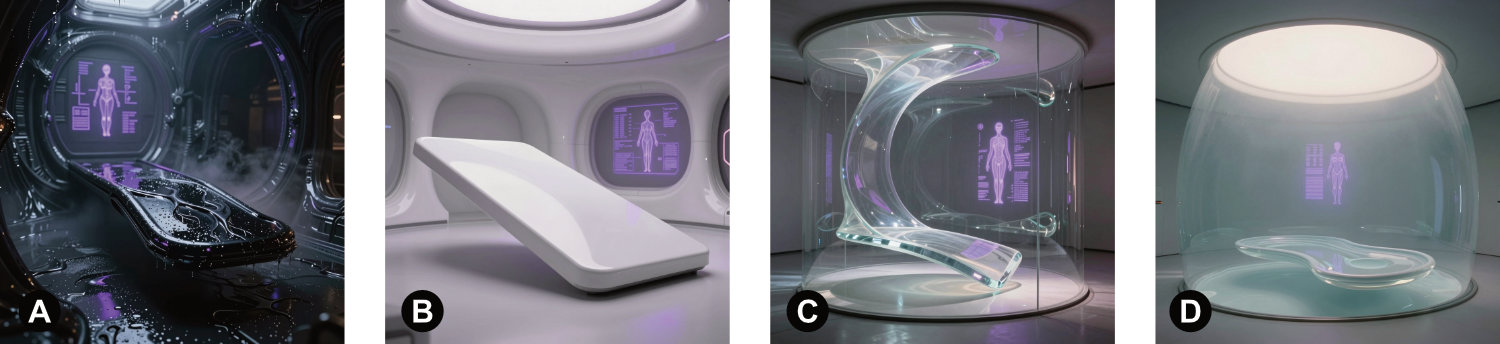
Step 1: Create Your Environment
Just like a real photoshoot, every scene starts with the right location. With AI image creation, there is no need to scout sets, hire crews, or build expensive props. You create the entire environment using descriptive prompts.
Start by deciding on the mood and style you want. Think about lighting, materials, colors, and atmosphere. The more specific your description, the more immersive the final image will feel.
One of the biggest advantages of AI-generated fetish imagery is the freedom to design environments that could never exist in reality. Your setting can be futuristic, surreal, clinical, industrial, or completely abstract.
For example:
- An alien spaceship medical bay with glowing instruments
- A glossy black PVC padded chamber lit by neon
- A translucent organic rubber room with pools of liquid gel
- A chrome cyberpunk dungeon filled with holograms and fog
- Environment — laboratory, dungeon, spacecraft
- Materials — latex, chrome, rubber, glass
- Lighting — neon, soft ambient, harsh clinical
- Atmosphere — sensual, eerie, futuristic, surreal
The environment helps define the fantasy and tells part of the story before the viewer even focuses on the subject. Think cinematically and do not be afraid to experiment with unusual combinations.
Example prompt
An alien spacecraft examination chamber which is a cylindrical shape with seamless, flowing architecture. The walls, floor, ceiling, merge smoothly into one continuous, organic structure with no visible edges or corners. Surfaces are clear black rubber, subtly textured with thick black blood vessels visible through the walls. At the center of the room is a levitating inclined examination bench, its surface made of black PVC-like material. The examination bench floats in the air with no visible supports. The walls are etched with barely visible alien symbols and writing in dark gray, only perceptible when light catches them. Translucent black organic tubes and pipes weave across the walls, filled with vein-like dark filaments. The space is filled with warm, humid steam, creating a haze and moist atmosphere. A digital display glows very softly in purple, projecting alien text alongside a schematic of a human body. The purple light subtly illuminates the chamber, casting an eerie, otherworldly hue. The steam in the room makes other objects wet.
Step 2: Create your model
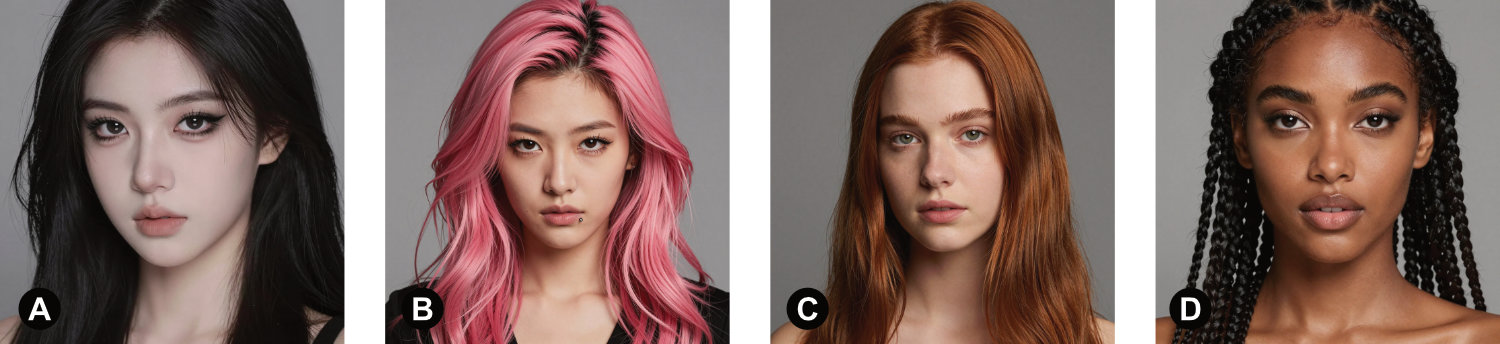
Rather than reaching out to model agency with a requirements profile, you generate a prompt of your model and you get what you ask for. You can specify age, eye colour, hair style, body shape, piercings, tatoos, amongst other things.
Example prompt
A pale-skinned 29 year old woman with soft, delicate facial features and a slightly angular jawline. She has dark, expressive eyes enhanced with heavy black eyeliner and smoky eyeshadow. Her eyebrows are dark and neatly shaped, complementing her intense gaze. Her hair is deep black, long and straight, framing her face smoothly with a slightly layered style. She has a small, refined nose and medium-full lips with a muted, natural tone. Her overall expression is calm, distant, and slightly melancholic, with a subtle alternative, emo-inspired aesthetic.
Step 3: Choose your wardrobe
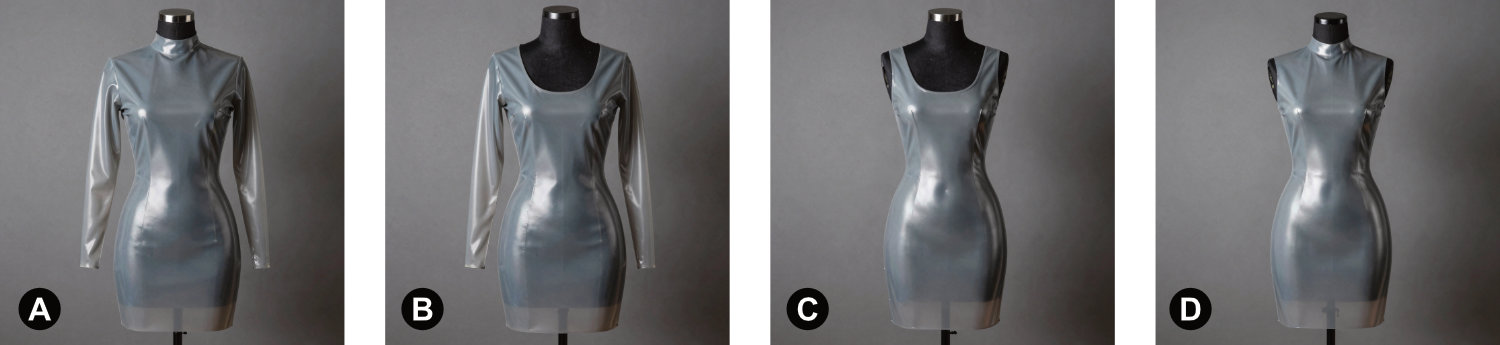
Shoes, underwear, outfit, accessories can all be defined. The materials and colours can also be incorporated into the prompt. Fine details such as latex transparency percentage can add subtle details. These latex mini dresses are all AI generated and are very realistic.
Example prompt
A grey, highly reflective, thin material, latex mini dress that has transparency on a black fabric mannequin with a medium grey background.
Iterative process
AI image generation is rarely perfect on the first attempt. Creating high-quality results is usually an iterative process that involves refining prompts, adjusting settings, and sometimes choosing an alternative approach when the desired output cannot be achieved consistently. Below are some of the most common issues that can occur during image generation.
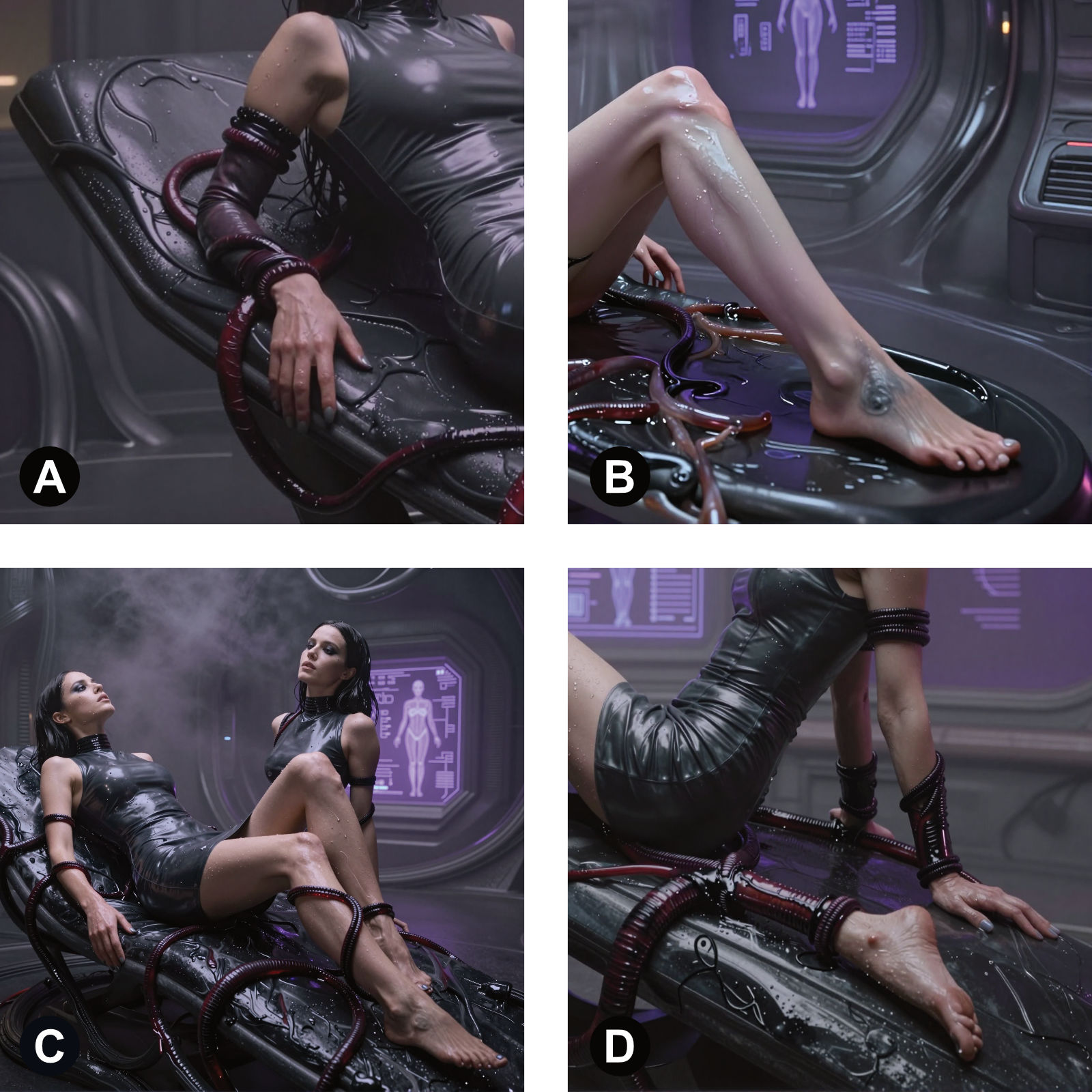
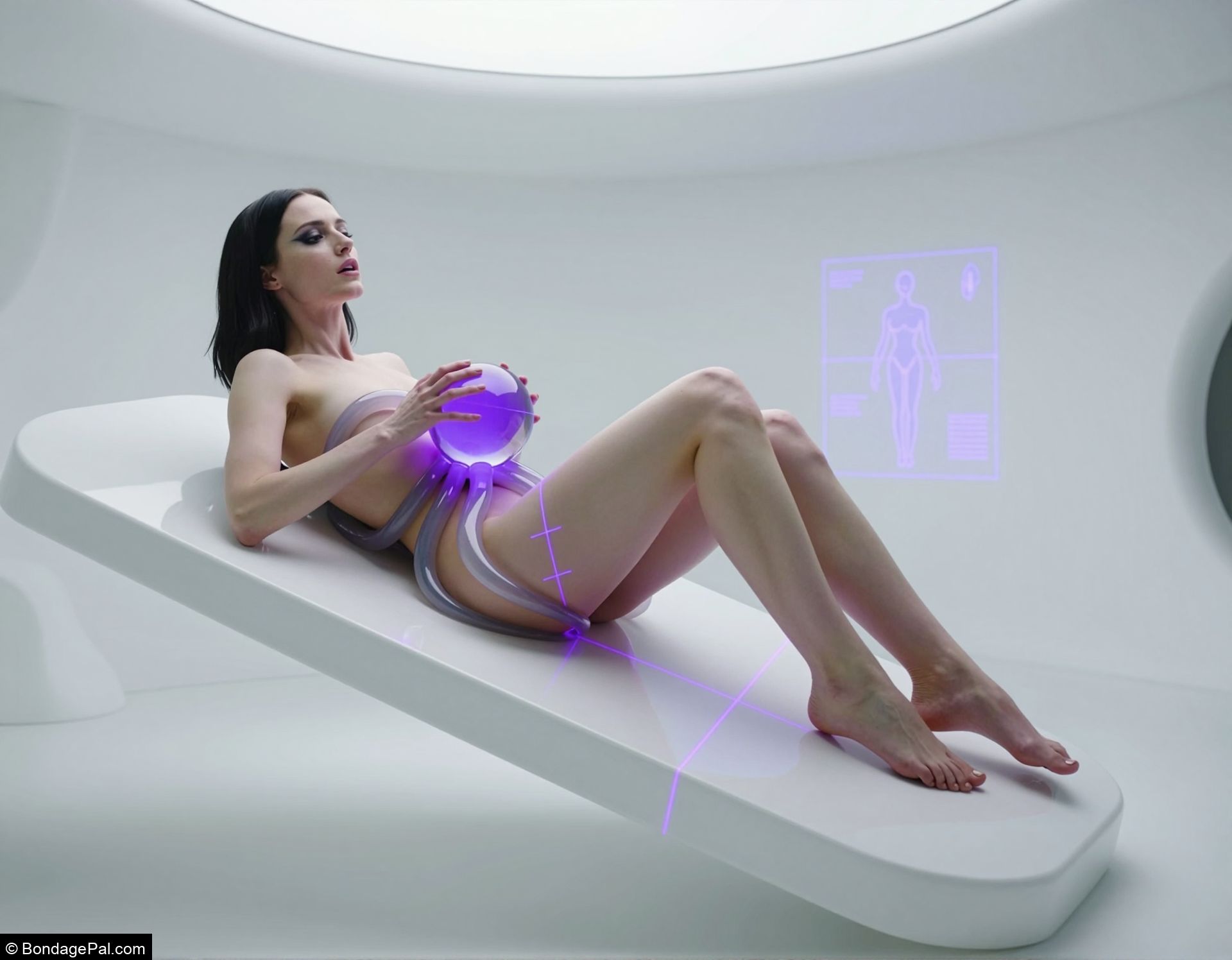
In this project, creating the tentacles was very difficult. The AI model had a lot of trouble trying to get the tentacles to interact with the woman. In the final image sets, which you will see at the end of the article, there is a white environment with glass tentacles. The end result looks impressive, however the model failed for white tentacles coming from the platform, the floor, floating orbs and many more permutations. Several frustrating hours were lost before a solution that worked could be found. This is certainly a limitation today, you can generate an image, but it may not be the exact image you want.
Draft images
Running a locally hosted AI image model offers superior flexibility in comparison to online models from the leading providers. An image is made from a seed, which is a random number. If you use the same prompt, same image size and same seed you will get the same image again and again. You can use this to test layout, design and ideas with a single step, 30 second image. Once the draft is looking how you want then you increase the steps and keep everything else fixed. Viewing the same prompt with different step counts also show how the AI model can make wrong assumptions.Too many steps may not be the optimal process either. The processing time for an image increases for only minor improvements. Small features may morph into new dominant features, these are known as hallucinations. The video below shows a fixed prompt and fixed seed value, the variable is the number of steps. The first image with 1 step took 35.83s to generate, the final image with 50 steps took 1,791.5s (~30 minutes). Steps and time have a linear relationship.
Bulk generation
Once you have an image that fulfils your requirements the next stage is to generate hundreds of images in batch as an overnight process. You can review the full set and decide which are the best, in the same way that a photoshoot image set is narrowed down to a few.The video below shows 150 images generated from the same prompt with differing initial seed values. Each of the images are similar although non are identical. The woman's face remains similar as well as her body shape, you can see that the raised knee can change , the data on the alien screen varies and the complexity of the room is variable. If you pause the video at 1:05 you will see one of the tentacles passes through her knee! In reality, the vast majority of these images fit the requirements and would be ideal for an online or offline publication.
Alternative works
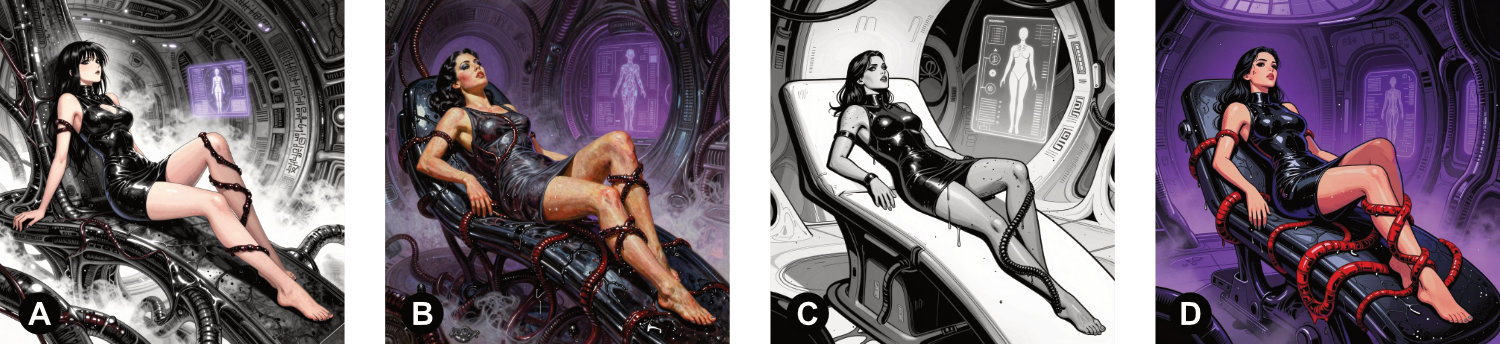
AI generation is not limited to real-life photo images, with sufficient processing power, high quality video footage can be produced with voice and lip-sync. For our alien scene, different genres formats much as Manga and Pop Art are possibilities.
Power consumption and time
This project took approximately 24 hours of total wall-clock time to complete. Around 8 hours were spent defining prompts, testing outputs, and iterating towards a final prompt design. An overnight batch run of roughly 8 hours was then used to generate approximately 150 images, followed by around 30 minutes to review and select the final results.During the overnight generation phase, the CPU of a Mac Studio M2 was running continuously at close to 100% utilisation. The earlier prompt development and testing phase is estimated to have used the CPU at full load for approximately 25% of the working period. In total, this equates to roughly 10 hours of sustained full-load compute time.
A Mac Studio M2 typically draws around 85–110 watts under sustained AI image generation workloads. Based on this estimate, the total energy consumption for the project was approximately 0.85–1.1 kWh of electricity.
Estimated electricity cost:
In practical terms, the power cost of the project was relatively low. The workstation used for the generation process already operates continuously throughout the year for software development and other business workloads, so the additional energy overhead of the AI generation process itself was marginal.
There is often discussion around AI image generation consuming excessive amounts of energy or environmental resources. While large-scale cloud training systems certainly have substantial infrastructure costs, smaller local inference workloads such as this project appear comparatively modest in terms of direct electricity consumption.
Final images
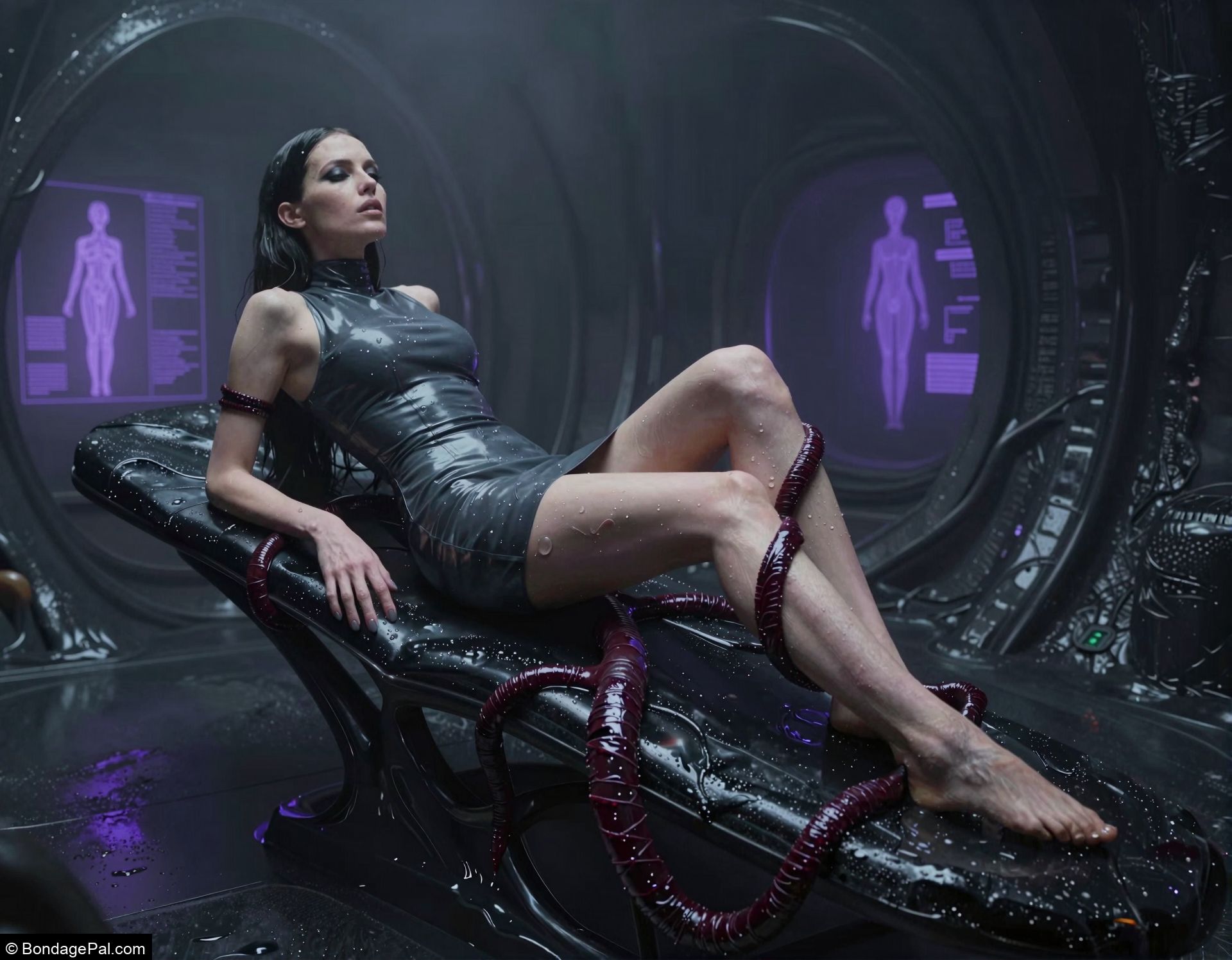
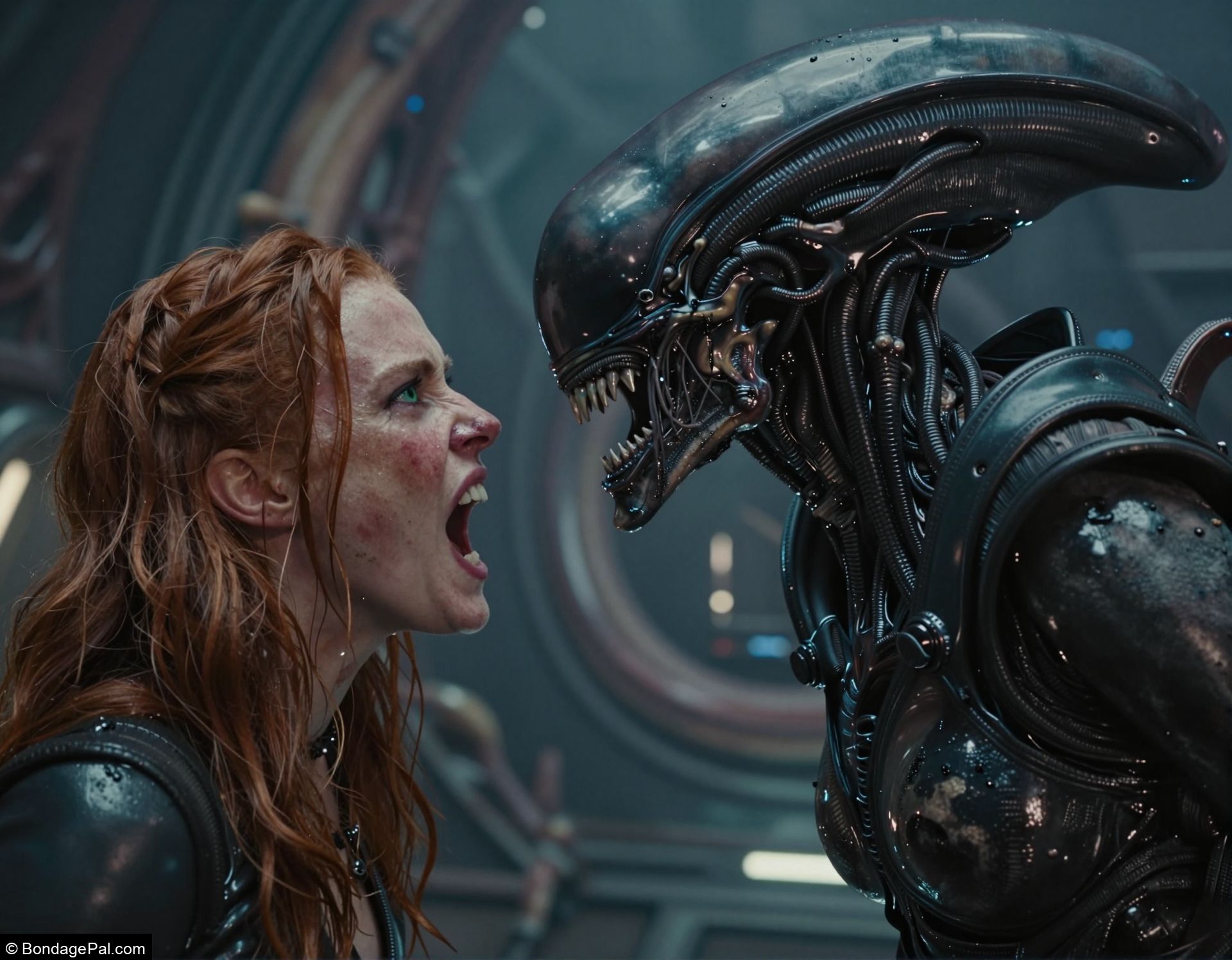
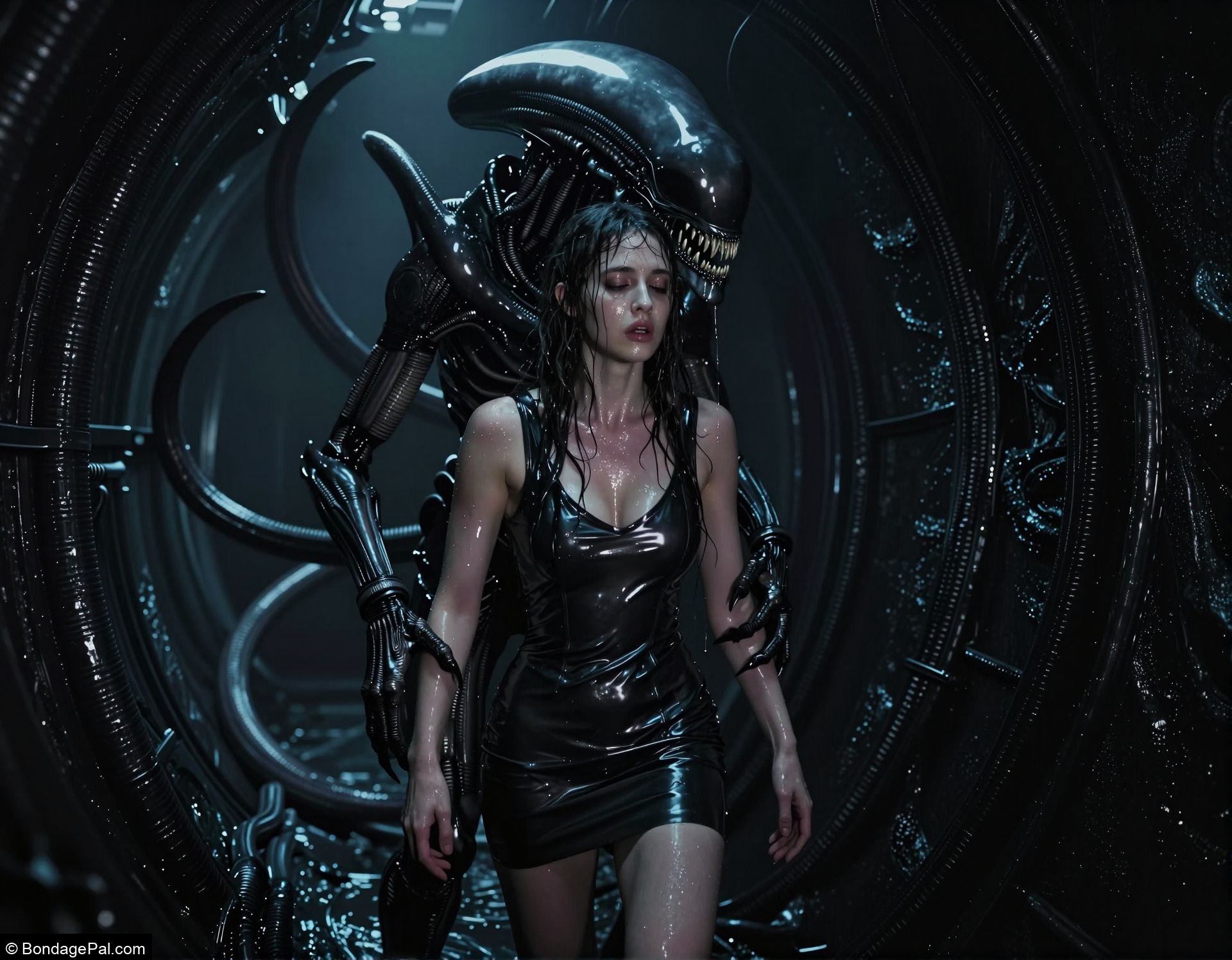
Five images have been selected so show what can be achieved with AI image generation.
Conclusions
For independent publishers, developers, and niche content creators, AI image generation fundamentally changes what is possible. Concepts that would previously have required large production budgets, specialist photography teams, custom sets, wardrobe sourcing, post-production editing, and significant logistical planning can now be produced locally on consumer hardware in a matter of hours.This does not remove the need for creativity or technical skill. In many ways, the role simply changes. Instead of directing photographers, lighting crews, and models, the creator directs prompts, environments, compositions, materials, and iterative refinements. The process becomes closer to digital art direction combined with software engineering.
The ability to generate hundreds of highly targeted niche images overnight is particularly powerful for independent publishers operating in specialised markets where traditional photography would be commercially unrealistic. Subjects that would once have been impossible due to budget, availability, complexity, or physical constraints can now be explored rapidly and repeatedly.
AI image generation is also highly iterative. Most outputs are imperfect, and the process still requires experimentation, filtering, prompt refinement, and aesthetic judgement. However, the cost of experimentation becomes almost negligible compared to a traditional photoshoot. Instead of risking thousands of dollars on a single production day, creators can test ideas continuously and evolve concepts over time.
Perhaps most importantly, this technology dramatically lowers the barrier to entry for small creators. A single developer with modest hardware can now produce imagery that would previously have required an entire production team. Whether this ultimately replaces traditional fetish photography entirely remains to be seen, but it is already clear that AI-generated imagery is becoming a practical, scalable, and commercially viable alternative for many forms of digital publishing.